Access to Vehicle Data: Insights from ADPA General Assembly
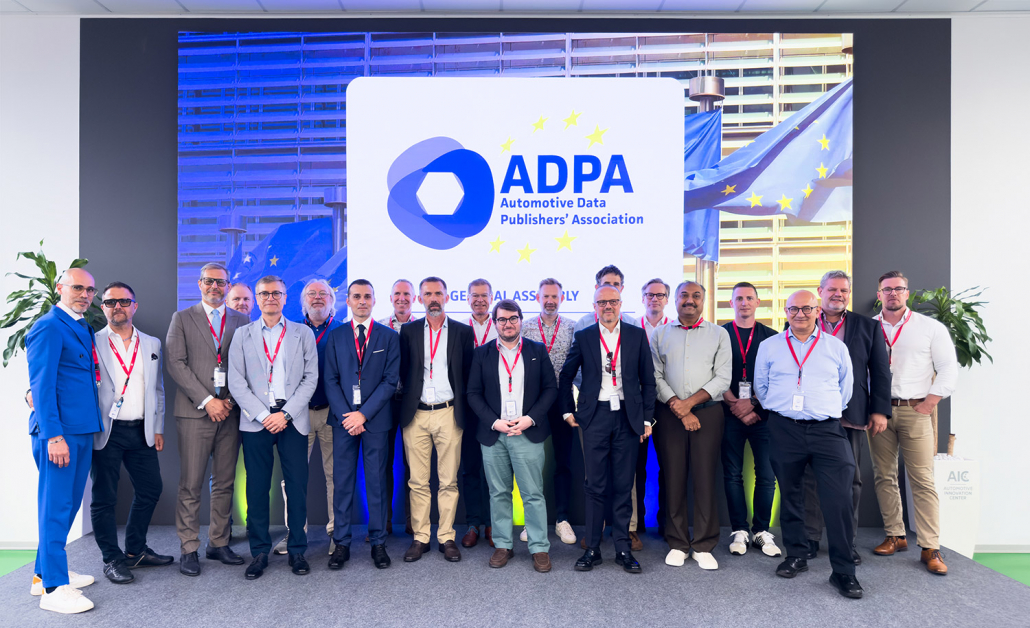
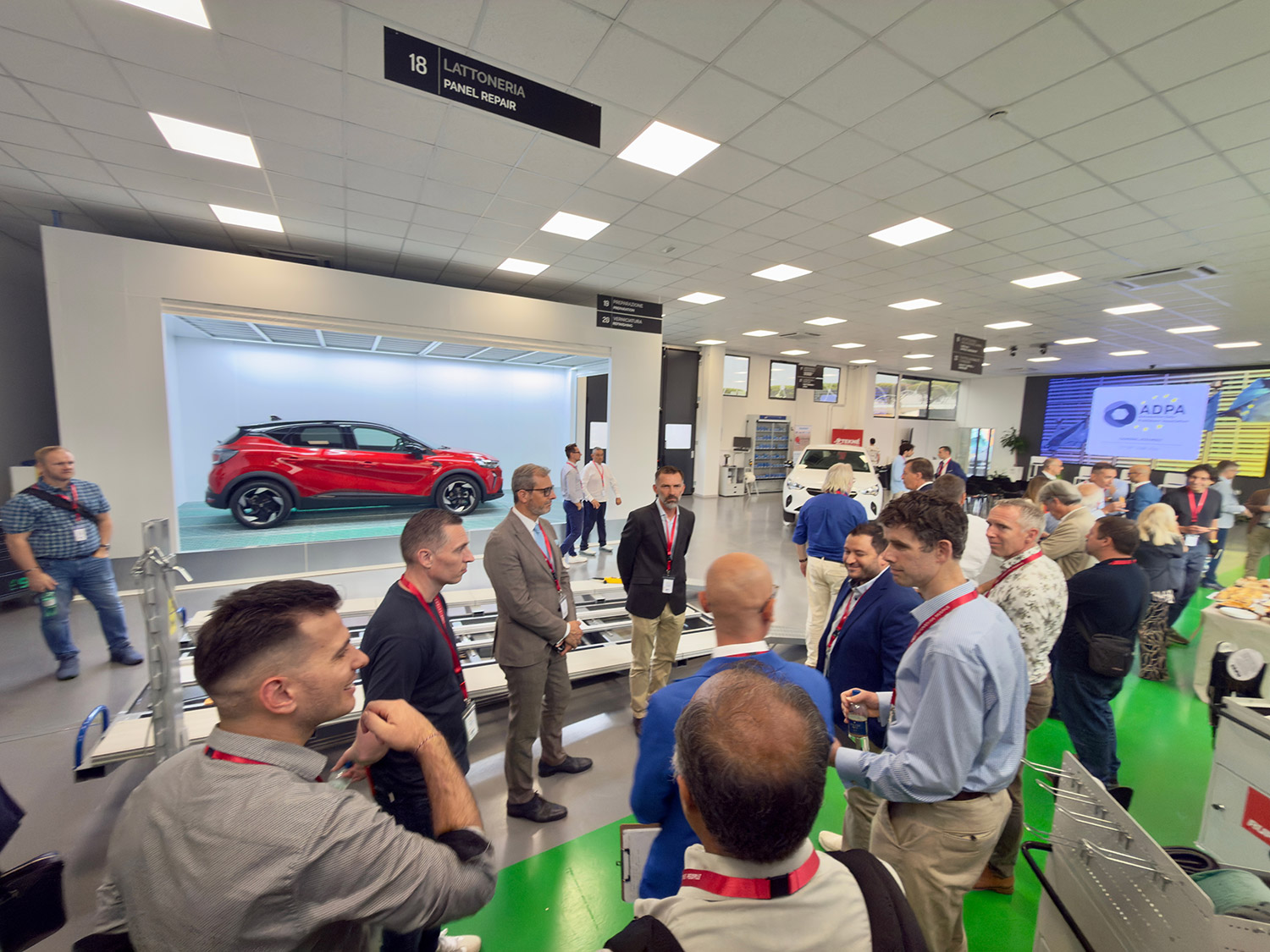
Access to vehicle data, digitalisation and training were among the key topics discussed during ADPA’s 2026 General Assembly, hosted by Tekné Consulting in Latina, Italy. The event brought together leading European aftermarket stakeholders to address the regulatory, technological and professional challenges shaping the future of the automotive aftermarket, while also marking the inauguration of the new Automotive Innovation Center.
Access to Vehicle Data: ADPA’s 2026 General Assembly Brings Together the European Aftermarket
The selection of Latina as the venue for ADPA’s 2026 General Assembly highlights Italy’s growing role within the European debate on the future of the automotive aftermarket.
“Hosting the ADPA General Assembly in Latina was a source of great pride for us, but above all an opportunity to bring a high-level European discussion to our local territory,” said Patrick Lo Pinto, CEO of Tekné Consulting and ADPA Board Member & Treasurer.
In a market increasingly shaped by digital technologies, connected services and new mobility models, therefore, access to vehicle data is becoming a critical factor in ensuring competitiveness, service quality and freedom of choice for both businesses and consumers.
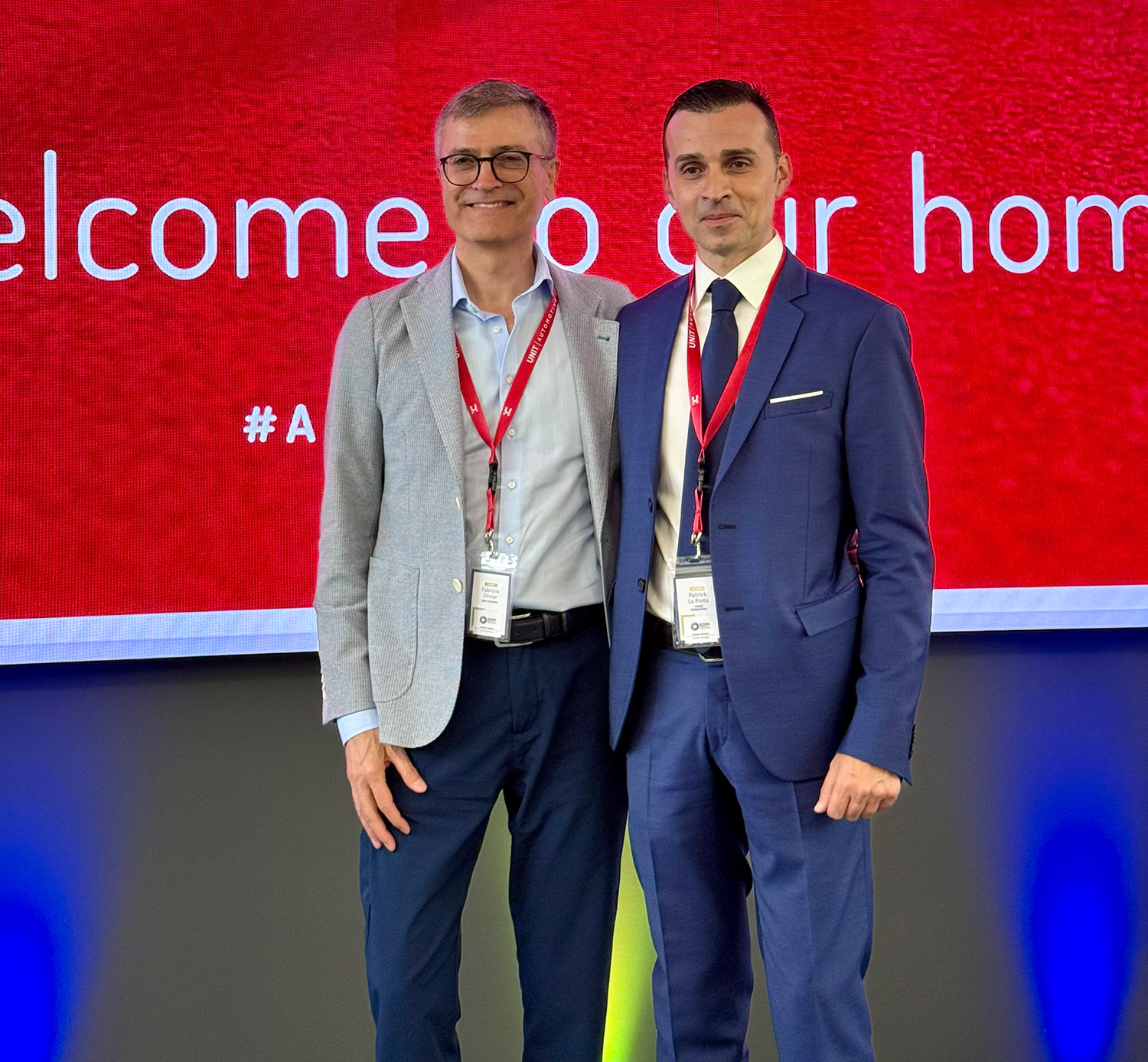
Participants were welcomed by Fabrizio Olivier, owner of Unit Holding, and Patrick Lo Pinto, CEO of Tekné Consulting and ADPA Board Member & Treasurer, who greeted association members, institutional guests and representatives of leading European automotive organisations.
Moreover, the first day provided an opportunity to showcase the growth journey of Tekné Consulting and Unit Holding, companies that evolved from hands on experience in the independent aftermarket into providers of technical, digital and training services supporting the entire automotive ecosystem.
Access to Vehicle Data and Digitalisation: Key Challenges for the Automotive Sector
One of the central themes discussed during ADPA 2026 was the strategic role of data within the automotive industry.
As vehicles become increasingly sophisticated and technologically integrated, it is therefore essential to have complete, up-to-date and usable technical information is essential for enabling independent operators to carry out maintenance, diagnostics and repair activities effectively.
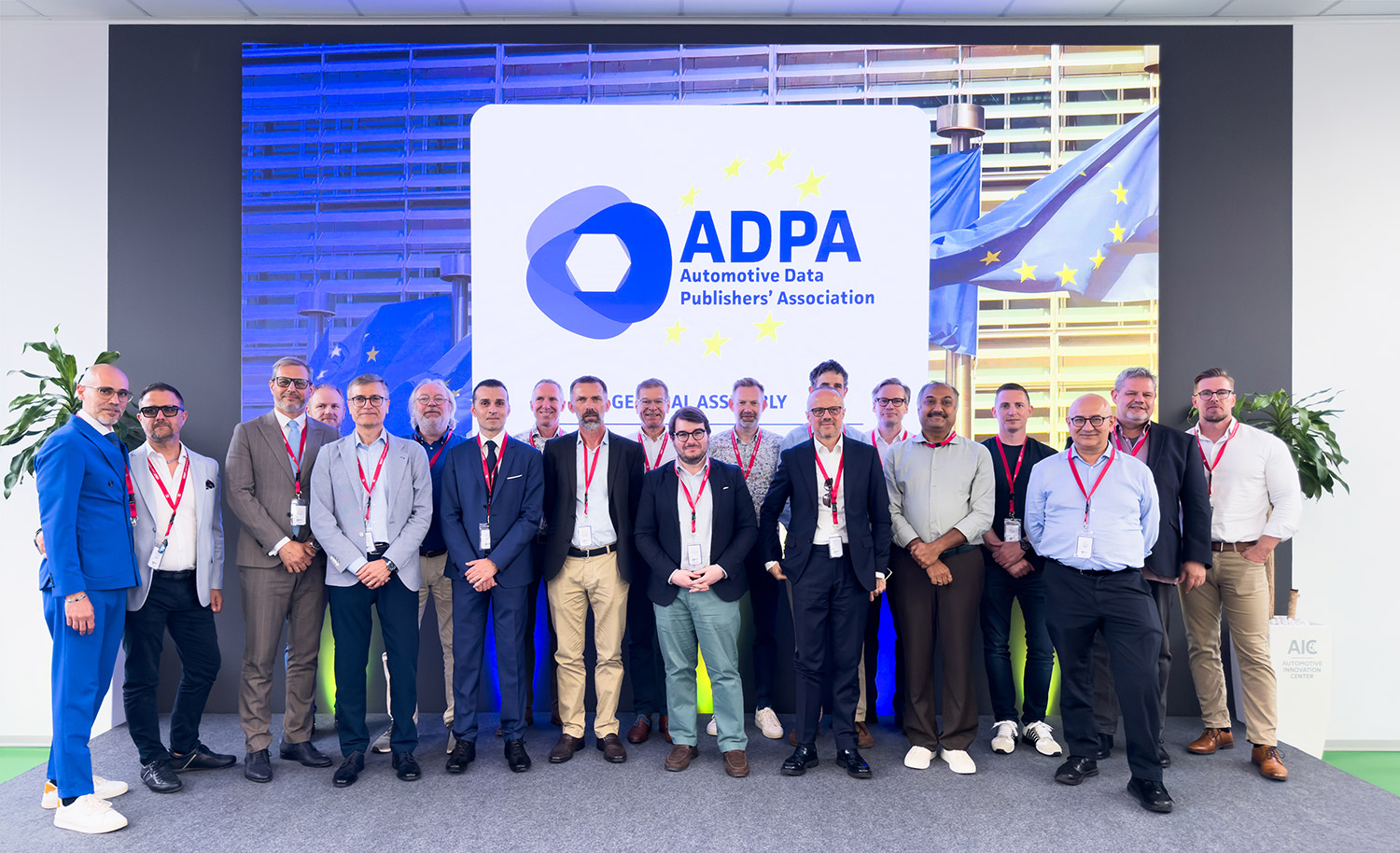
The panel discussion, titled “Challenges and Opportunities in the Aftermarket from Italian and European Perspectives”, was moderated by Michael Pedersen, President of ADPA, and featured Pierre Thibaudat, ADPA Director General; Carmine Fiorentino, CTO of Tekné Consulting; Carlo Siviero, Head of Data Factory & Market Analysis at Editoriale Domus; and Andrea Boni from ADIRA.
The discussion highlighted how access to vehicle data has become one of the key factors influencing the competitiveness of the European aftermarket. In addition, participants also explored the role of multi-brand technical databases, the impact of digitalisation on operational processes and the evolving skills required by industry professionals.
Automotive Innovation Center: Investing in Future Skills
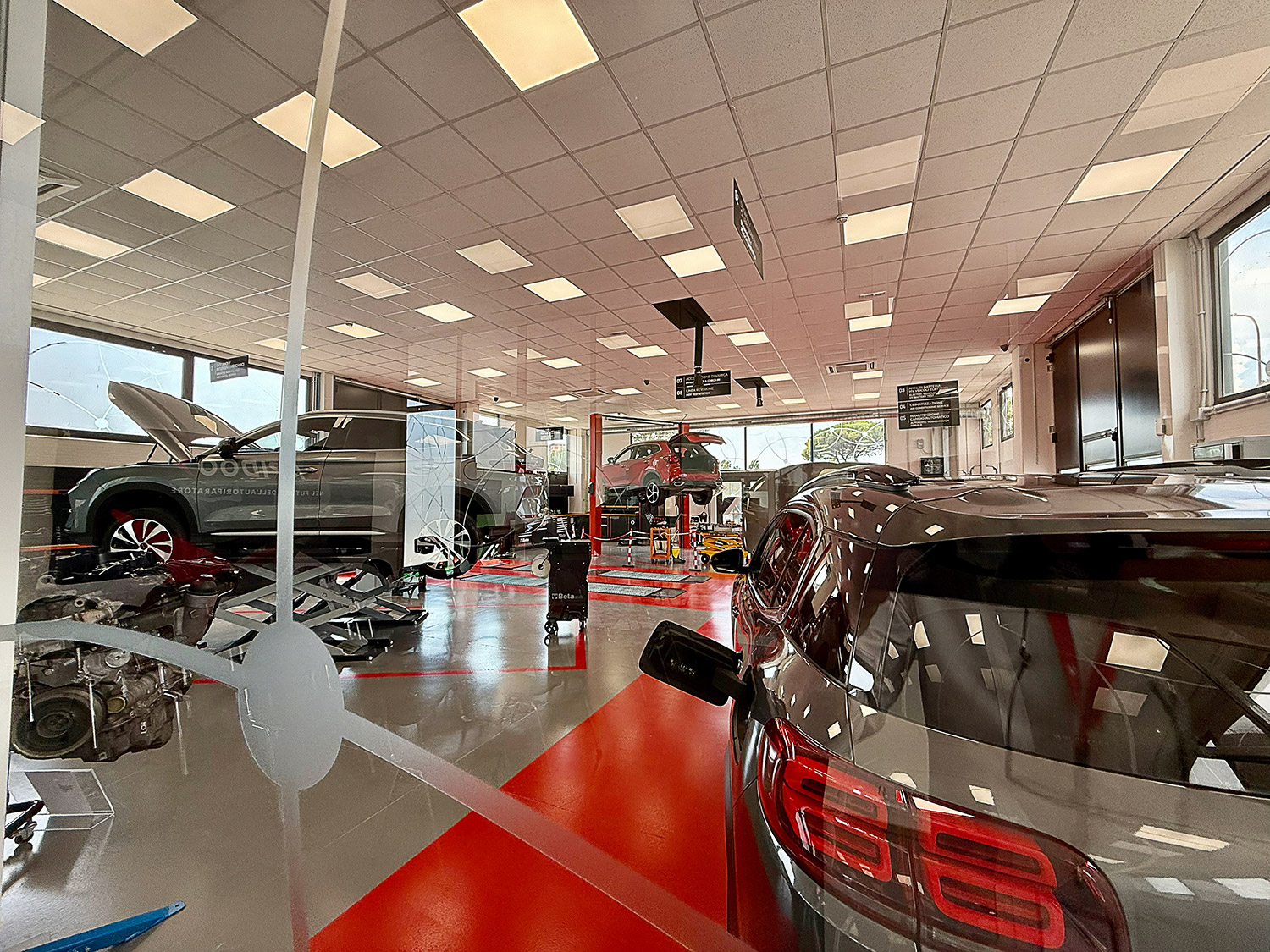
One of the most significant moments of the event was the inauguration of the AIC – Automotive Innovation Center, a new hub dedicated to advanced technical and entrepreneurial training for the automotive sector.
The project was launched in response to the growing demand for specialised skills, backed by an investment of more than €1.5 million.
Furthermore, the Automotive Innovation Center has been designed as a space for professional development, knowledge transfer and the preparation of technical professionals capable of addressing the challenges created by the ongoing transformation of mobility.
As Fabrizio Olivier, owner of Unit Holding, and Patrick Lo Pinto, CEO of Tekné Consulting, stated:
“The repair professional of the future is no longer simply a mechanic, but an entrepreneur and a specialist who must work with systems and technologies that are constantly evolving. This is why training is a decisive factor for the competitiveness of businesses and for the growth of the entire automotive sector.”
The creation of the AIC provides a tangible response to the needs of a market that increasingly requires highly skilled professionals capable of operating in advanced technological environments.
Access to Vehicle Data: The European Regulations Shaping the Future of the Industry
The second day of the General Assembly was dedicated to analysing the main European regulatory initiatives expected to influence the future of the aftermarket sector.
Topics discussed included the Type Approval Regulation, SERMI, the Delegated Act, the Motor Vehicle Block Exemption Regulation, the Data Act, the Digital Omnibus and the End-of-Life Vehicle Regulation.
Consequently, these legislative initiatives will have a direct impact on access to technical information, the management of vehicle-generated data, digital security procedures and the relationship between vehicle manufacturers and independent operators.
The evolution of European regulation will play a crucial role in defining the future competitive balance of the sector and in ensuring fair and transparent market conditions.
A Strategic Sector for the Future of European Mobility
Today, digital transformation, evolving vehicle technologies and the growing importance of data are reshaping the automotive industry. As a result, the automotive industry is undergoing profound change.
According to Patrick Lo Pinto, CEO of Tekné Consulting and ADPA Board Member & Treasurer:
“The future of the aftermarket depends on ensuring fair competitive conditions, adequate skills and effective tools for independent operators. These issues concern not only businesses, but also safety, sustainability and consumer freedom of choice.”
In this context, access to vehicle data, the availability of effective technical tools and the development of new professional skills are becoming key factors in supporting innovation and driving the growth of the entire aftermarket ecosystem.
ADPA’s 2026 General Assembly provided an important opportunity to discuss these challenges, reinforcing the need for continuous dialogue between businesses, associations and institutions to address the future of mobility.
For Tekné Consulting and Unit Holding, hosting the event represented an opportunity to actively contribute to a debate involving the entire European automotive aftermarket, further strengthening their commitment to developing services, expertise and solutions that support independent operators.